
Best Lightweight Gaming Mice For Tired Hands: 5 Pro Choices
Go from a heavy mouse to a light one and you notice within minutes. Flicks come easier. Stopping on a target comes easier. An hour in, your arm is not doing as much of the work.
But “lightweight” is not one thing anymore. These five run from a 37-gram featherweight to a 51-gram shell, and a few grams matter less than you would think once shape, sensor and battery come into it. So we sorted on weight first and everything else second. Two are mini shells, and one sits well below the flagships on price.
Every number below comes from the product listings. If a listing did not give a figure, the table says so.
Our Top Recommendation
Get the Razer Viper V4 Pro if you want one answer. It’s 49 grams, it has a 50K optical sensor and 8K polling, and Razer lists the battery at 180 hours.
Two exceptions are worth knowing. If you want the lightest mouse here and your hand suits a mini shell, the Pulsar X2H Crazylight weighs just 37 grams. If money is tight, the Redragon M725 Honeycomb matches the Viper’s 49 grams for far less, though it’s worth checking current pricing. The other two picks suit specific tastes.
Why Weight Changes How a Mouse Feels
A lighter mouse takes less effort to start moving and less effort to stop. That’s what makes fast flicks feel easier, and it’s why a long session leaves your arm less tired. The catch is that a very light mouse can feel twitchy for the first day or two if you are coming from something heavier.
Shape still decides comfort, though. A 37-gram mouse that does not fit your hand is worse than a 55-gram one that does, and our weight guide covers where the trade-offs sit.
What Counted as Light Enough
To make the list, a mouse had to be wireless, and the lightest got priority. After weight we looked at sensor, polling rate, switches and battery wherever the listing gave them. Polling rate counted for less than the box suggests, and this polling rate explainer shows why 8K is not automatically better. Big DPI numbers barely counted at all, and our DPI guide explains why.
We also wanted a spread: a flagship all-rounder, a Logitech option, a featherweight, a compact build with real hardware detail, and a budget pick.

Quick Comparison Table
| Gaming Mouse | Weight | Sensor / DPI | Polling | Connectivity | Best For |
|---|---|---|---|---|---|
| Razer Viper V4 Pro | 49g | 50K DPI optical | 8K | Wireless, USB-C charging | Best Overall Lightweight Gaming Mouse |
| Logitech G PRO X3 SUPERSTRIKE | 59g | 48K, HERO 2 | 8K | LIGHTSPEED Wireless | Best Lightweight Mouse with LIGHTSPEED Wireless |
| Pulsar X2H Crazylight | 37g | XS-1, 32K DPI | 8K | Wireless | Best Featherweight Gaming Mouse |
| Lamzu Atlantis Mini Champion Edition | 51g | PAW3950, 30,000 DPI | 8K compatible | Wireless | Best Compact Lightweight Gaming Mouse |
| Redragon M725 Honeycomb | 49g | 8,000 DPI | Upto 1K | Tri-mode: Bluetooth 5.1, 2.4GHz, Type-C wired | Best Budget Lightweight Gaming Mouse |

Best Lightweight Gaming Mice, Reviewed

If you only try one mouse from this list, make it this one. It weighs 49 grams and pairs a 50K DPI optical sensor with Gen-4 optical switches (here’s how those differ from mechanical ones), 8K polling, a scroll wheel and USB-C charging, and it works with PC and Mac. The battery is rated at 180 hours.
Over a week of practice we swapped between this and a heavier mouse, and the difference showed up in small ways. Stopping on a target took less effort, and our arm felt fresher late in a session. The first session felt almost too light, and after that it stopped registering. Higher polling rates use more battery, so expect less than the headline figure if you run it at 8K.
Buyers who moved over from heavier mice describe the same thing: strange for a day, then heavier mice start to feel sluggish.
Where it shines
- 49g build
- 50K optical sensor
- Gen-4 optical switches
- 8K polling
- 180-hour battery rating
- USB-C charging
Where it lags
- 8K polling uses more battery
- The very light shell takes adjusting to
- Flagship pricing
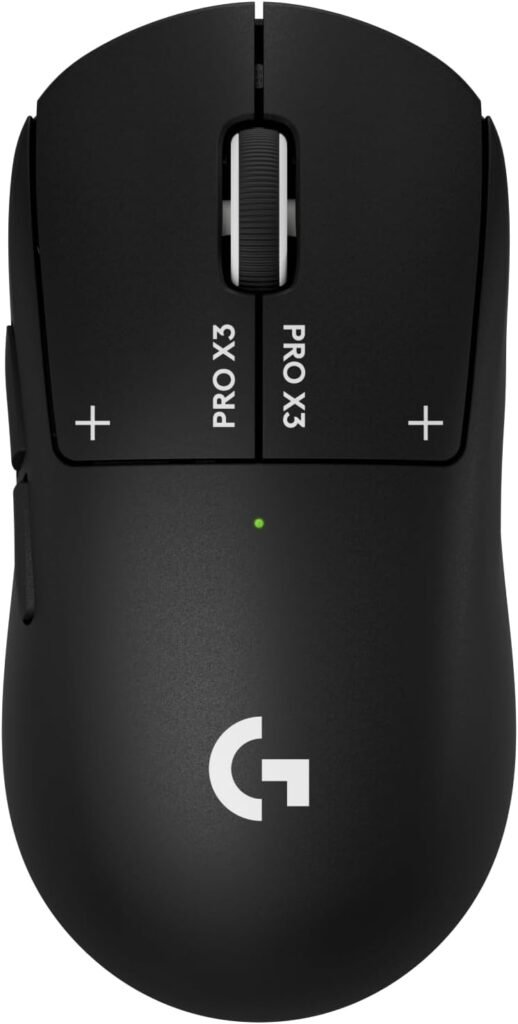
This one is built around a simple idea: keep the weight down without giving up the features that matter. It’s ultra-lightweight at 59 grams and 135+ hour battery, and it runs on LIGHTSPEED wireless, which is Logitech’s own connection and the main reason a lot of people choose the brand. Under the shell there’s a HERO 2 optical sensor with up to 48K DPI, plus 8K polling for anyone who wants to push the response rate as high as it will go. You also get programmable buttons, so you can set it up around your own habits, and it works with both PC and Mac.
Those numbers look big on paper, but you would not need most of them. Very few players ever go near 48K DPI, and 8K polling only makes sense for a small group on fast monitors (our polling rate explainer shows why). What you are really buying here is the Logitech package. Buyers who stay with the brand tend to say it’s for the reliable wireless connection and the familiar feel, which is a fair reason to pick it if you have used LIGHTSPEED before. If you are coming from another Logitech mouse, there’s less to relearn, and that counts for more than people admit.
Where it shines
- LIGHTSPEED Wireless
- 59g weight
- HERO 2 sensor
- Programmable buttons
- 135+ hour battery
- PC and Mac support
Where it lags
- 8K polling takes more battery
- Premium pricing
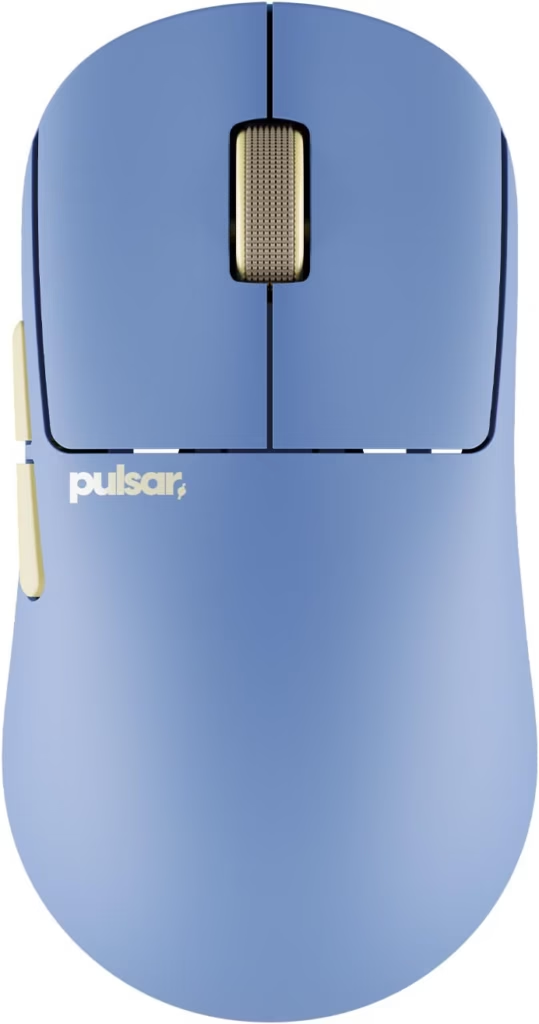
Thirty-seven grams. That’s 1.30 ounces, and it’s the lightest mouse on this list by a wide margin. It’s a mini, symmetrical shell with an inward side shape and a back-aggressive hump, built for relaxed claw and claw grips, with an XS-1 sensor, 32K DPI and 8K polling.
We used it for aim practice over a few days and the weight takes real adjusting to. The first session felt strangely floaty, then our hand settled and we stopped noticing. Whether the shape suits you comes down to your grip, and if you are not sure what yours is, our grip guide will tell you in a couple of minutes. Our small hands roundup is also worth a look if compact shells interest you.
Buyers who like a rear hump say it suits claw grips well, and plenty call the weight barely there.
Where it shines
- 37g body
- Mini symmetrical shell
- Back-aggressive hump for claw grips
- XS-1 sensor
- 32K DPI
- 8K polling
Where it lags
- The mini size would not suit large hands
- The hump is aimed at claw grips
- The very low weight takes getting used to

This is the one for people who read spec sheets for fun. It weighs 51 grams and packs a PAW3950 sensor at 30,000 DPI, optical switches, a Nordic 52840 MCU and a symmetrical shell, and it’s 8K compatible. The listing also calls the scroll encoder dust-proof, which matters because a gummy wheel is one of the things that quietly ruins a mouse over time.
The attention to parts you cannot see is the appeal here. Buyers who pick it up mostly say it feels compact and considered, and that the details justify the special edition. Do not buy it for the DPI figure, though, because nobody needs 30,000.
Where it shines
- 51g build
- PAW3950 sensor
- Optical switches
- Nordic 52840 MCU
- Dust-proof encoder
- Symmetrical mini shell
- 8K compatible
Where it lags
- Slightly heavier than the Viper and the Pulsar
- The mini shell would not fit large hands
- 30,000 DPI is more than anyone uses

The cheap way into a 49-gram mouse. The honeycomb shell is how it gets the weight down, and you also get 8,000 DPI, tri-mode connectivity (Bluetooth 5.1, 2.4GHz and Type-C wired), two side buttons and macro programming, for PC, Mac and laptops. Check current pricing, since it sits well below the flagships here.
We used it for office work during the day and casual games at night, and it handled both without fuss. It does not have the polish or the sensor of the Razer or the Lamzu, and that’s the trade. Buyers who chose it for the price say it’s the easiest way to find out whether they like a very light mouse before spending flagship money. For more cheap wireless options, our wireless picks under $25 are worth a look.
Where it shines
- 49g honeycomb shell
- Tri-mode connectivity
- 8,000 DPI
- Two side buttons
- Macro programming
- PC and Mac support
Where it lags
- A basic sensor next to the flagships
- Only two side buttons
- The honeycomb look is not for everyone
Final Thoughts
The Razer Viper V4 Pro is the one we would keep: light, fast and with the battery for long sessions. The Pulsar X2H Crazylight is the answer if you want the lightest shell and your hand suits a mini, and the Lamzu Atlantis Mini Champion Edition is for people who care about what’s inside.
The Logitech G PRO X3 SUPERSTRIKE suits anyone who wants LIGHTSPEED, and the Redragon M725 Honeycomb is the budget way in. Whichever you pick, give it a few sessions before you judge the weight, because the first day is always strange.
Frequently Asked Questions (FAQs)
We cannot physically test every product in every roundup — with dozens of gaming mice covered across this site, that’s simply not realistic for our team. What we do instead is verify every listing against the manufacturer’s official specs, cross-check claims across multiple independent reviews and long-term user reports, and pull out patterns from real buyer experiences on platforms like Amazon. When we do get hands-on with a specific product, we will say so directly in that section.
Our recommendations reflect what verified users and independent testers consistently report — not just what a spec sheet promises. If something looks great on paper but users repeatedly flag an issue, we mention it. That’s the standard we hold every pick on this list to.